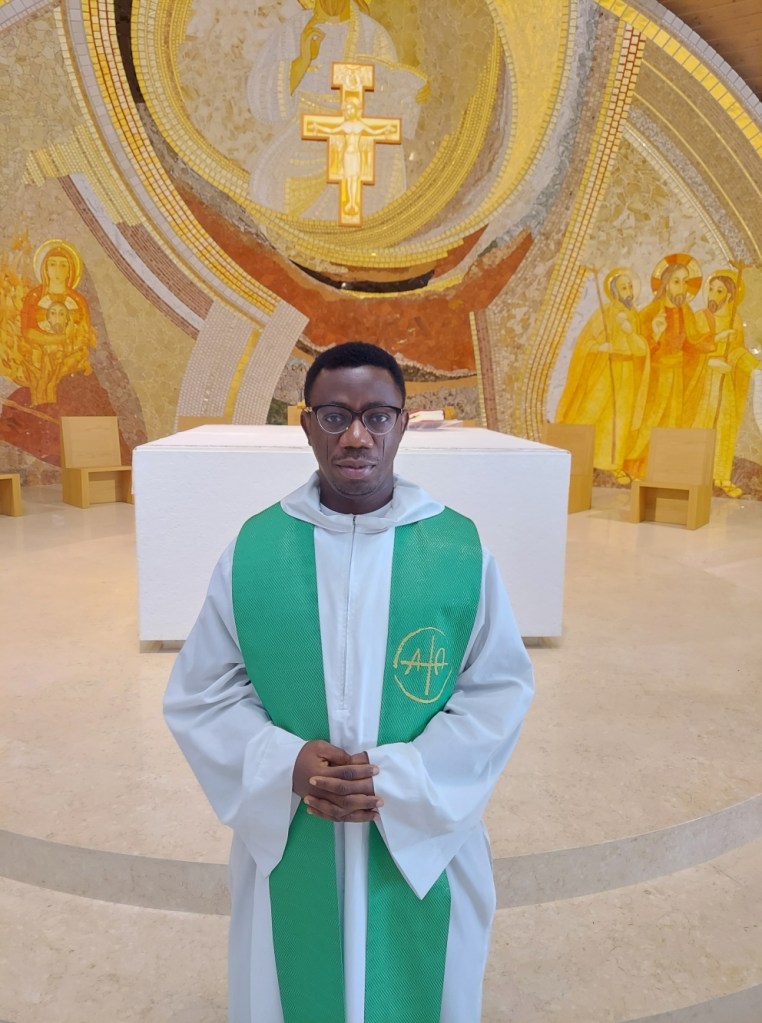
The biblical text provides the primary field for what is retrieved. The preacher ought to read the scriptural passages that form the theme for his homily. This is because what is proclaimed is not the preacher nor some human elements but a divine person, Jesus Christ, who is both the subject and object of revelation[1]; “We do not preach ourselves but Jesus Christ as Lord” (1 Cor 1:23). A preacher who is theologically sound will then understand the gospels as creating no distinction between the Jesus of history and the Christ of faith as we see played out in the history of Christological development.[2]
For a proper retrieval therefore, a preacher needs to study the text to decipher what the reason for the choice of a particular text at that point of the liturgy is, and what the text intends to say to that assembly. In other words, “what is the human situation to which these texts were originally addressed? To what human concerns and questions might these same texts have spoken through the Church’s history?”[3] Alan of Lille compliments this by affirming that every homily needs to have a theological foundation, especially a text from the books of the Bible and, if need be, other books of Holy Writ that have bearing on the theme at hand.[4]
Having seen that the homily needs to be rooted in scripture and other texts relating to the theme of the liturgical celebration, we cannot but see the importance of the specialties of research, history, doctrines and foundations as relevant to the preacher for a better grasp of his data of experience. The preacher must be prepared for this task because his primary duty is the proclamation of the Word as expressed in the Rite of ordination: “receive the Gospel of Christ, whose herald you now are. Believe what you read, teach what you believe, and practice what you teach.”[5]
[1] Pope Benedict XVI, Post-Synodal Apostolic Exhortation Verbum Domini, nos. 11-13.
[2] Cf. Jean Galot, Who is Christ? A Theology of the Incarnation (Rome: Gregorian University Press, 1980), p. 20.
[3] NCCB, Fulfilled in Your Hearing, op. cit., p. 21.
[4] Cf. Alan of Lille, The Art of Preaching, trans. Guillian R. Evans (Kalamazoo, MI: Cistercian Publications, 1981), p. 17.
[5] The Rites of the Catholic Church, Volume Two (Collegeville: Liturgical Press, 1991), pp. 35-36.